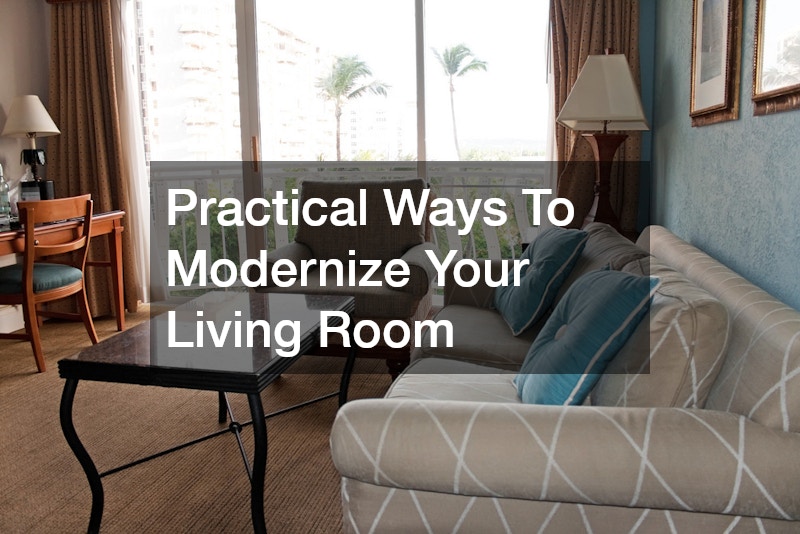

Create a Living Room That Feels Current and Comfortable
Modernizing your living room does not have to mean starting from scratch. In many homes, the best updates come from improving the features that affect comfort, style, lighting, layout, and everyday use. Since the living room is often where families relax, entertain, watch TV, read, or gather at the end of the day, even practical upgrades can make the space feel more inviting and functional.
A modern living room should feel clean, comfortable, and easy to live in. That does not mean following every trend. It means choosing improvements that make the room work better for your lifestyle while giving it a fresher look. Better lighting, updated floors, improved windows, smoother walls, smarter storage, and properly sized furniture can all help the room feel new without making it feel cold or overly formal.
Before making changes, look at the room as a whole. Think about what feels outdated, what makes the space harder to use, and which upgrades will have the biggest impact. With a thoughtful plan, you can create a living room that feels stylish, comfortable, and practical for everyday life.
Start With a Clear Vision for the Space

Before buying materials or scheduling work, define what you want from your living room. A successful update starts with understanding how the room needs to function. Some homeowners want a cozy space for movie nights, while others need a more polished area for guests. You may want better storage, improved traffic flow, brighter finishes, or a layout that works better for kids, pets, and daily routines.
Walk through the room and make a list of what currently feels outdated or inconvenient. Look at the walls, floors, lighting, furniture placement, windows, and built-in features. Notice whether the room feels too dark, cramped, plain, or disconnected from the rest of the home. These observations can help you decide which changes should come first.
If the project involves multiple updates, working with a home remodeler can help keep the process organized. They can help you understand the best order for improvements and prevent avoidable delays. For example, wall repairs should happen before painting, trim work, or flooring updates.
A drywall contractor may also be needed if the room has cracks, dents, uneven textures, or old damage. Smooth, well-prepared walls make the entire space feel cleaner and more finished. Starting with a clear vision helps every decision feel intentional rather than random.
Bring in More Natural Light and Comfort
Windows have a major impact on how modern and comfortable a living room feels. Old, drafty, or damaged windows can make the space darker, less efficient, and harder to enjoy. Even if the rest of the room has been updated, worn windows can make the living room feel older than it is.
Start by evaluating how your windows perform. Do you feel drafts near the glass or frames? Are there signs of condensation, moisture, peeling paint, or difficulty opening and closing them? Do the windows limit natural light or make the room feel closed off? These are signs that an upgrade may be worth considering.
Window replacement can improve comfort, appearance, and energy efficiency. Newer windows can reduce drafts, soften outside noise, and bring more natural light into the space. The right style can also improve both the room’s interior design and the home’s exterior appearance.
Professional window installation is just as important as the product itself. Poor installation can lead to leaks, drafts, and performance problems, even with high-quality windows. When installed properly, windows fit securely, seal correctly, and support long-term comfort. In a living room, where light and temperature affect daily use, this can make a noticeable difference.
Refresh the Walls With Color and Texture
Walls create the backdrop for everything else in the living room. If the paint is faded, the color feels dated, or the surfaces are damaged, the entire room can look tired. Refreshing the walls is one of the simplest ways to modernize the space without changing the layout.
Start by choosing a color palette that supports the mood you want. Light neutrals can make the room feel brighter and more open, while warmer tones create a cozier feel. Soft greens, warm whites, taupes, and muted blues can all work well in modern living rooms. If you want contrast, use it through trim, furniture, artwork, or one carefully chosen accent wall instead of overwhelming the room.
A visit to a paint store can help you compare colors, finishes, and samples in person. Lighting can change how a color appears, so test samples on your wall before committing. Matte and eggshell finishes can hide minor imperfections, while satin or semi-gloss finishes may be better for trim and high-contact areas.
If your walls have visible flaws, a drywall contractor can repair dents, cracks, seams, or uneven textures before painting begins. Fresh paint looks best when the surface beneath it is smooth, clean, and properly prepared.
Choose Floors That Balance Style and Durability

Floors play a major role in how a living room looks and functions. Since this room often gets heavy daily use, the material you choose should be both attractive and durable. The right floor can make the room feel warmer, cleaner, more open, and easier to maintain.
When comparing flooring options, think about your household’s lifestyle. Hardwood offers timeless appeal and warmth, but it may require more care in homes with pets or young children. Luxury vinyl plank is popular because it can mimic wood while offering strong durability and easier maintenance. Laminate can be budget-friendly, carpet adds softness and sound absorption, and tile may work well in certain climates or open floor plans.
A home remodeler can help coordinate floor updates with other living room changes, such as trim, wall repairs, built-ins, or fireplace updates. This matters because flooring often affects baseboards, transitions, door clearances, and the flow into nearby rooms.
Also consider how area rugs will work with your new floors. Rugs can define seating zones, add softness, reduce noise, and bring color or texture into the room. Durable floors paired with the right rug can give you both practicality and comfort.
Select Furniture That Fits the Room
Furniture can make a living room feel polished and comfortable, or crowded and awkward. One of the most common mistakes homeowners make is choosing pieces that are too large for the space. Oversized sofas, bulky chairs, and heavy tables can make even a spacious room feel cramped.
Before shopping, measure the room carefully. Include wall lengths, window locations, doorways, walkways, and the space around focal points like a TV or fireplace. Then sketch a simple layout to see where each piece might go. Leave enough room for people to walk comfortably without squeezing around furniture.
Visiting furniture stores can help you compare comfort, scale, fabric, and construction quality in person. Online photos can be useful, but sitting on a sofa, checking cushion depth, and seeing materials up close can prevent costly mistakes. Look for pieces that match your design goals and daily needs.
Upgrade Lighting and Power Access
Lighting has a major effect on the mood and usefulness of a living room. A room with only one overhead fixture can feel flat, dim, or harsh. Modern living rooms usually work best with layered lighting, including overhead fixtures, table lamps, floor lamps, sconces, and accent lighting.
Start by identifying how the room is used throughout the day. You may need bright light for cleaning, soft light for relaxing, focused light for reading, and accent lighting to highlight artwork or shelves. Dimmers are a practical upgrade because they allow you to adjust brightness based on the activity.
An electrician can help add outlets, install new fixtures, upgrade switches, or safely support lighting changes. This is especially helpful if your living room has limited outlets or relies on extension cords. Today’s living rooms often need power for televisions, speakers, lamps, chargers, gaming systems, and smart devices.
Electrical planning should happen before built-ins, media walls, or major furniture changes are finalized. If you know where the TV, lamps, or shelving will go, wiring and outlets can be placed more conveniently. This reduces visible cords and gives the room a cleaner, more finished look.
Turn the Main Feature Into a Focal Point
Many living rooms have one feature that naturally draws attention. In some homes, it is a large window. In others, it is a media wall, built-in shelving, or hearth area. Updating this feature can dramatically change how modern the room feels.
Fireplaces are especially important because they often anchor the seating layout. If the surround, mantel, tile, stone, or brick looks outdated, the whole room can feel stuck in another decade. Updating the finish can make the space feel cleaner and more intentional. Options include painted brick, new tile, stone veneer, a simplified mantel, or built-in shelving on each side.
A gas fireplace can also be a practical upgrade for homeowners who want easier operation and less maintenance than a traditional wood-burning setup. It can provide warmth, ambiance, and convenience without the need to store wood or clean ash as often.
When updating the focal point, make sure the surrounding furniture supports it. Seating should feel balanced and comfortable, not forced. Avoid placing too many competing elements in the same area. A strong focal point gives the room structure and helps the design feel complete.
Add Storage That Blends Into the Design
A living room often has to hold more everyday items than homeowners expect. Remote controls, blankets, books, toys, games, electronics, chargers, and media equipment can quickly create clutter. Modernizing the room means finding ways to store these items without making the space feel crowded.
Built-ins are a popular option because they can be customized around a TV, fireplace, or blank wall. They provide storage while making the room look more finished. Floating shelves, closed cabinets, storage benches, and media consoles can also help keep the space organized.
If you plan to hide cords, add shelf lighting, or mount a television, an electrician can make sure wiring is safe and properly placed. This can prevent tangled cords, overloaded outlets, and awkward cable placement. Clean wiring makes a big difference in how polished the final room feels.
Storage should be planned early, not treated as an afterthought. Think about what you actually need to store and how often you use those items. Closed storage works well for clutter, while open shelves are better for décor, books, or display pieces.
Combine Comfort, Technology, and Style

A modern living room should support both relaxation and convenience. Technology can improve the space, but it should not dominate the design. The best rooms blend comfort, smart features, and style in a way that feels natural.
Start with comfortable seating, good lighting, soft textures, and a layout that encourages conversation. Then add technology where it makes sense. Smart lighting, automated shades, hidden speakers, and streamlined media equipment can improve daily use without making the room feel cluttered.
Furniture stores can be helpful when choosing pieces that balance comfort and appearance. Look for fabrics that fit your lifestyle, especially if you have pets, children, or frequent guests. Performance fabrics, washable covers, and durable frames can help furniture last longer while still looking updated.
Plan the Work in the Right Order
Modernizing a living room is easier when the project follows a logical order. Jumping from one upgrade to another without a plan can lead to extra costs, repeated work, and frustration. Even if you are updating the room in phases, it helps to know which projects should happen first.
Start with improvements that affect the structure or performance of the room. Window replacement, wall repairs, electrical updates, and flooring changes should usually happen before final decorating. These projects can create dust, require tools, or affect surrounding finishes, so it makes sense to complete them before adding new furniture or décor.
Professional window installation should also be scheduled before painting or trim work whenever possible. If surrounding walls or interior casing need adjustments, it is better to handle those repairs before final finishes are complete. This prevents damage to newly painted walls or recently installed trim.
After major work is finished, move on to paint, lighting, furniture, rugs, artwork, and accessories. This sequence allows the design to build naturally and helps the finished room feel cohesive.
Bring the Room Together With Purpose

A modern living room should feel stylish, comfortable, and easy to use. The best updates are not just about following trends. They are about improving the way the room works for daily life while creating a space that feels fresh and inviting.
By focusing on light, layout, walls, floors, storage, furniture, and comfort, you can make meaningful changes without overwhelming the room. Some projects may be simple, while others may require professional help, but each improvement should support the same overall goal: a better living space.
Take time to plan carefully, choose materials that fit your lifestyle, and complete updates in the right order. When every detail works together, your living room can become one of the most enjoyable and functional areas of your home.