

Moving into a new home is exciting, but the work does not end when the boxes are unloaded. Once the furniture is in place and the last moving truck has disappeared, it is time to make sure the property is safe, comfortable, and ready for everyday life. Taking care of important maintenance tasks early can help prevent minor concerns from becoming expensive problems while also making the home feel more welcoming.
Whether the property is brand new or has been around for decades, homeowners should take time to understand how everything works and identify areas that may need attention. From checking essential systems to improving indoor air quality, a thoughtful approach to post-move maintenance can provide greater peace of mind.
Start With a Home Safety Walkthrough
One of the first things to do after moving is walk through the entire property with safety in mind. Rather than focusing only on unpacking and decorating, look for anything that could create a hazard.
Check that exterior doors close securely and that locks work properly. Look at windows to make sure they open, close, and lock as expected. Walk through hallways, stairways, garages, and outdoor areas to identify tripping hazards, loose railings, damaged flooring, or poorly lit spaces.
This is also a good time to locate important shutoff points. Homeowners should know where the main water shutoff valve, electrical panel, and gas shutoff are located if the property uses natural gas. Knowing where these controls are before an emergency occurs can make it much easier to respond quickly.
Pay attention to smoke and carbon monoxide detectors as well. Test every detector and replace batteries when necessary. If the home does not have enough detectors, consider adding them in appropriate locations according to local safety recommendations.
Check the Roof Before Problems Appear
The roof is one of the most important components protecting a home from the elements. A roof that appears fine from the ground may still have aging materials, damaged flashing, missing shingles, or other concerns that deserve attention.
After moving, find out when the roof was last inspected and whether there are existing warranties or maintenance records. Look for visible signs of trouble, such as water stains on ceilings, damaged shingles, sagging areas, or excessive debris around roof drainage systems.
Homeowners should avoid climbing onto the roof unless they have the appropriate experience and equipment. Instead, a professional inspection can provide a closer look at the roof’s condition. Experienced roofing contractors can identify problems that may not be obvious to someone viewing the property from the ground.
Addressing small roofing issues early can help protect insulation, ceilings, walls, and other parts of the home from water damage. It can also prevent a relatively minor repair from becoming a much larger project.

Make Indoor Temperatures Comfortable
A comfortable home depends heavily on a reliable heating and cooling system. If the HVAC system was already installed when you purchased or rented the property, it is worth learning about its age, maintenance history, and current condition.
Replace the air filter if you do not know when it was last changed. A dirty filter can restrict airflow and make the system work harder. Homeowners should also check supply and return vents throughout the property to make sure they are not blocked by furniture, rugs, or other objects.
If the home has an older system, schedule a professional inspection before the busiest heating or cooling season begins. Different HVAC companies may offer maintenance plans, inspections, and repairs designed to keep systems operating efficiently.
Comfort is about more than simply setting the thermostat to the right temperature. Uneven temperatures, unusual noises, persistent odors, weak airflow, and unexplained increases in energy costs can all indicate that an HVAC system needs professional attention.
Look for Signs of Moisture
Moisture is one of the most important things to watch for in a new home. Water can enter through a roof, plumbing system, foundation, windows, doors, or drainage problems, and the sooner a leak is identified, the easier it may be to address.
Inspect ceilings and walls for discoloration, bubbling paint, peeling wallpaper, warped materials, or musty odors. Check underneath sinks and around toilets, tubs, showers, and appliances that use water.
Do not ignore condensation either. Persistent moisture around windows or in poorly ventilated rooms can contribute to larger indoor air quality concerns.
If a property has experienced significant water damage, homeowners should determine whether the area was properly dried and repaired. When substantial damage is present, professional mold remediation may be necessary to address affected materials and help restore a healthier indoor environment.
The goal is not to become alarmed by every water stain. Instead, homeowners should establish a habit of investigating unexplained moisture before it has an opportunity to cause additional damage.

Protect Your Home From Unwanted Pests
Moving into a home can sometimes reveal pest problems that were not immediately noticeable during a walkthrough. Pests may hide in walls, attics, crawl spaces, garages, basements, and other less frequently used areas.
Look for signs such as droppings, damaged materials, insect activity, nests, or unexplained holes. Pay particular attention to areas where food is stored and locations where moisture tends to accumulate.
Bed bug control may also become important if a home has recently changed occupants or if used furniture and mattresses are brought into the property. Inspect secondhand furnishings carefully before bringing them indoors, and avoid assuming that a clean-looking item is automatically pest-free.
Wood-destroying insects deserve special attention because they can cause structural damage over time. Homeowners should look for discarded wings, damaged wood, mud tubes, or other signs of activity. If there are concerns about termites, professional termite treatment can help address an active infestation and reduce the likelihood of additional damage.
Prevention is generally easier than dealing with a widespread infestation. Keeping food sealed, repairing leaks, reducing unnecessary clutter, and maintaining the exterior of the property can all help create a less inviting environment for pests.
Examine Windows and Doors
Windows and exterior doors play several roles in a home. They provide natural light and ventilation while also helping protect the interior from weather, outside noise, and temperature fluctuations.
After moving, open and close every accessible window. Check locks, screens, frames, and visible seals. Watch for drafts around windows and doors, especially during periods of extreme temperatures.
Condensation between panes of glass can indicate a failed seal in an insulated window. Drafts may also suggest deteriorated weatherstripping or other problems.
Some homeowners may benefit from working with window replacement companies if existing windows are severely damaged, inefficient, or nearing the end of their useful life. Replacing every window is not always necessary, however. In many situations, targeted repairs, improved weatherstripping, or new screens may be enough.
Doors deserve similar attention. Make sure exterior doors latch properly and that gaps around frames are sealed. A door that allows outside air to enter can make a room uncomfortable and potentially increase heating and cooling demands.
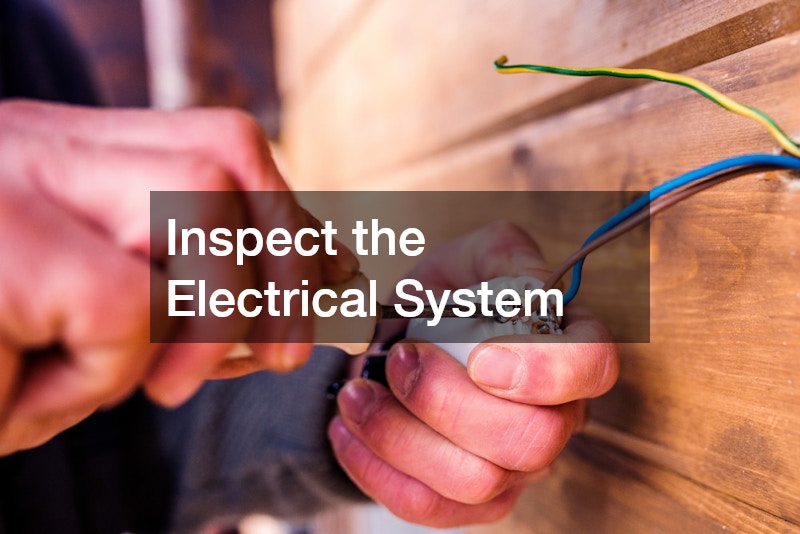
Inspect the Electrical System
Electricity is essential to a modern household, making the electrical system another major safety priority after a move.
Locate the electrical panel and identify the circuits if they are clearly labeled. If the labels are missing or confusing, consider having the panel professionally evaluated and labeled.
Test ground-fault circuit interrupter outlets in kitchens, bathrooms, garages, laundry rooms, and other locations where they are installed. These devices are designed to provide additional protection in areas where electricity and water may come into contact.
Pay attention to warning signs such as flickering lights, frequently tripped breakers, warm outlets, buzzing sounds, sparks, or burning odors. These issues should not be ignored.
If the home needs new circuits, outlets, lighting, or other electrical upgrades, professional electrical installation is the safest approach. Electrical work is not an area where homeowners should take unnecessary risks or attempt unfamiliar repairs.
Improve Indoor Air Quality
A home can look clean while still having indoor air quality problems. Dust, pet dander, cleaning products, combustion byproducts, moisture, and inadequate ventilation can all affect the indoor environment.
Start with simple steps. Clean or replace HVAC filters regularly, vacuum and dust frequently, and use exhaust fans when cooking or showering. If possible, allow fresh air into the home when outdoor conditions are appropriate.
Pay attention to unusual odors. A persistent musty smell may indicate moisture, while unusual chemical or burning odors can have other causes that require investigation.
Newly purchased homes may also contain leftover dust and debris from previous renovations or repairs. A thorough cleaning after moving in can remove a surprising amount of accumulated material.
Indoor plants can make a home feel more welcoming, but they should not be treated as a substitute for proper ventilation or filtration. Maintaining the home’s mechanical systems remains one of the most effective ways to support a comfortable indoor environment.
Keep Bathrooms Dry and Functional
Bathrooms deserve regular attention because they combine plumbing, electricity, moisture, and frequently used surfaces in one relatively small space.
Check around toilets, sinks, tubs, and showers for leaks. Make sure caulk and grout are in good condition and that exhaust fans operate correctly. If a bathroom stays humid long after a shower, improve ventilation and investigate whether the existing fan is functioning properly.
Look underneath vanities for signs of slow leaks. A small drip can cause cabinet damage, flooring problems, and moisture accumulation over time.
Homeowners should also make sure bathroom outlets are appropriately protected and that electrical devices are kept away from water.
Keeping bathrooms dry is one of the simplest ways to protect both comfort and the condition of the home.
Pay Attention to the Yard and Drainage
Outdoor maintenance is just as important as indoor maintenance. The condition of the yard can affect drainage, pests, foundations, walkways, and overall curb appeal.
After moving, look for areas where rainwater collects. Water should generally move away from the home’s foundation rather than pooling directly against it.
Inspect gutters and downspouts to make sure they are not clogged and that downspouts direct water away from the foundation. Keep leaves and other debris from accumulating around drains.
Trees should also be evaluated. Branches hanging over the roof can create maintenance concerns, while roots may affect hardscape surfaces or drainage.
If the property needs substantial changes to grading, planting, irrigation, or outdoor spaces, landscaping contractors can help create a plan that improves both appearance and functionality.
Good landscaping is not simply about making a yard look attractive. Thoughtful outdoor design can also help manage water, create safer walkways, and make exterior spaces more enjoyable.
Secure Outdoor Areas
Outdoor safety should be considered immediately after moving, particularly if children, pets, or frequent visitors will use the property.
Check fences and gates for loose sections, broken latches, or gaps. Make sure stairs and decks are sturdy and that railings are secure.
Exterior lighting is another useful safety feature. Walkways, entrances, garages, and other frequently used areas should be adequately illuminated. Motion-activated lights can provide additional convenience and security.
Keep tools, chemicals, lawn equipment, and other potentially dangerous items stored safely. Garages and sheds can quickly become cluttered after a move, so organizing these areas early can prevent future problems.
If the property has a pool, hot tub, fire pit, or other recreational feature, make sure it is maintained and secured appropriately.
Create a More Comfortable Bedroom
Safety is important, but comfort matters too. After a move, the bedroom should become one of the first spaces to receive attention because quality rest can make the entire transition easier.
Start with the basics: comfortable bedding, appropriate lighting, useful storage, and a temperature that supports restful sleep.
Pay attention to noise and light. Curtains, shades, rugs, and strategically placed furniture can make a bedroom feel quieter and more private.
The mattress and pillows should also be evaluated. Moving is an opportunity to decide whether old bedding is still serving its purpose.
Keep electronics organized rather than allowing chargers and cords to create clutter around the bed. A tidy bedroom can feel more relaxing and reduce unnecessary trip hazards.
Make the Kitchen Safe and Practical
The kitchen is another area where safety and comfort overlap. Once everything is unpacked, organize frequently used items so they are easy to reach without creating clutter on countertops.
Check appliances for visible damage and make sure cords are in good condition. Keep towels, curtains, paper products, and other combustible materials away from cooking surfaces.
Clean the refrigerator, oven, microwave, and dishwasher before regular use if you do not know when they were last cleaned.
Cabinet organization can also improve everyday comfort. Heavy items should be stored securely, while frequently used cookware and dishes should be placed somewhere convenient.
If the kitchen needs major changes, think about function before appearance. Expanding storage, improving lighting, or reconfiguring the layout may make the space significantly easier to use.
Plan Future Improvements Carefully
Not every project needs to happen immediately after moving. In fact, living in a home for several months can help reveal what actually needs to change.
You may discover that a room needs more storage, a workspace would be useful, or the kitchen layout does not work as well as expected. These observations can help you prioritize future projects.
Home additions can provide valuable extra space when a property no longer meets a household’s needs, but they require careful planning. Before committing to an addition, consider local regulations, structural requirements, utilities, drainage, and how the project will affect the rest of the property.
Smaller improvements may offer a better return on time and money. Better lighting, additional storage, improved insulation, updated hardware, and more functional organization can significantly improve a home without requiring a major renovation.
Keep an Emergency Kit Ready
Every household should have basic supplies available in case of an unexpected situation. A dedicated emergency kit can save time when the power goes out, severe weather arrives, or another disruption occurs.
Depending on the household’s needs, supplies may include flashlights, batteries, bottled water, shelf-stable food, a first-aid kit, basic tools, chargers, blankets, and copies of important information.
Keep the kit somewhere accessible rather than buried in an overstuffed storage closet.
It is also useful to keep fire extinguishers in appropriate areas and make sure everyone in the household knows where they are located.
Take time to discuss an emergency plan with household members. Everyone should know how to leave the home safely and where to meet outside if evacuation becomes necessary.
Keep Important Home Records Organized
A new home comes with a surprising amount of information. Instead of allowing warranties, inspection reports, receipts, manuals, and maintenance records to disappear into random drawers, create one organized location for them.
Keep records for major appliances, roofing work, HVAC service, plumbing repairs, electrical projects, and renovations. Digital copies can provide an additional layer of protection.
It is also helpful to create a basic maintenance calendar. Schedule recurring tasks such as changing HVAC filters, testing detectors, cleaning gutters, inspecting exterior areas, and checking plumbing fixtures.
A maintenance calendar turns home care into a routine rather than something that only happens after a problem develops.
Know When to Call a Professional
Homeowners can handle many basic maintenance tasks themselves, but knowing when to call a professional is an important part of home safety.
Do not attempt unfamiliar electrical repairs simply to save money. Avoid climbing onto steep or damaged roofs. Do not ignore significant water damage or suspected structural problems.
Professional restoration contractors can be useful when a property experiences substantial damage from water, fire, storms, or other unexpected events. The right professional can help determine what needs to be repaired, cleaned, or replaced.
The same principle applies to other specialized work. Professional assistance can provide homeowners with a safer and more reliable solution when a project involves technical knowledge, specialized equipment, or potential safety hazards.
Make Comfort an Ongoing Goal
A comfortable home is not created in a single weekend. It develops through small improvements and consistent maintenance.
Once the immediate post-move safety concerns are addressed, start thinking about how the home supports everyday routines. Is the entryway easy to use? Is there enough storage? Are rooms adequately lit? Is the temperature consistent? Are outdoor areas functional? Are frequently used items easy to access?
These questions can reveal improvements that may not have been obvious during the moving process.
You may eventually decide to repaint, rearrange furniture, upgrade lighting, improve storage, or make larger renovations. There is no need to complete everything at once.
Prioritizing projects based on safety, comfort, cost, and necessity can help prevent the common feeling that a new home is one giant unfinished project.
Create a Home That Works for You
Moving into a new house is an opportunity to start fresh. While decorating and unpacking may be the most visible parts of the process, safety and comfort should come first.
Start by understanding the property’s major systems, looking for potential hazards, checking for moisture and pests, and making sure doors, windows, electrical components, and heating and cooling equipment are functioning properly. Then turn your attention to outdoor areas, organization, indoor air quality, and the small details that make daily life easier.
A safe home provides protection, while a comfortable home provides a place where people can relax and enjoy their everyday routines. By making both priorities from the beginning, homeowners can spend less time worrying about unexpected problems and more time enjoying the place they now call home.
The best approach is not to fix everything at once. Instead, identify the most important needs, address safety concerns promptly, plan larger improvements carefully, and establish regular maintenance habits. With a little preparation and attention, a newly occupied house can become a dependable, comfortable, and welcoming home.