
Key Takeaways
- Adjusting thermostat settings and using programmable schedules can reduce cooling costs without sacrificing indoor comfort.
- Replacing air filters and maintaining your air conditioning system improves efficiency and helps prevent costly breakdowns.
- Limiting heat from sunlight, appliances, and cooking reduces the workload on your cooling system during hot weather.
- Using ceiling fans alongside air conditioning helps improve comfort while lowering overall energy consumption.
- Proper insulation and sealing air leaks keep cool air inside and improve your home’s overall energy efficiency.
- Building simple daily habits, such as keeping vents clear and closing unused rooms, supports lower utility bills.
- Combining multiple energy-saving strategies provides the greatest long-term savings and helps extend the life of your air conditioner.
Summer brings longer days, outdoor activities, and plenty of sunshine. It also brings soaring temperatures that can make your air conditioner one of the hardest-working appliances in your home. While air conditioning provides much-needed comfort, it can also lead to significantly higher energy bills during the hottest months of the year.
Fortunately, staying cool does not have to mean spending a fortune. Small changes in how you use your cooling system and maintain your home can reduce energy consumption while keeping indoor spaces comfortable. In many cases, simple maintenance tasks and smart habits make a noticeable difference without requiring expensive upgrades.
Whether you own a house or rent your home, understanding how your cooling system works can help you improve efficiency, lower utility costs, and extend the life of your air conditioner. This guide shares practical ways to save money on air conditioning while keeping your home cool all summer long.
Start With Your Thermostat Settings
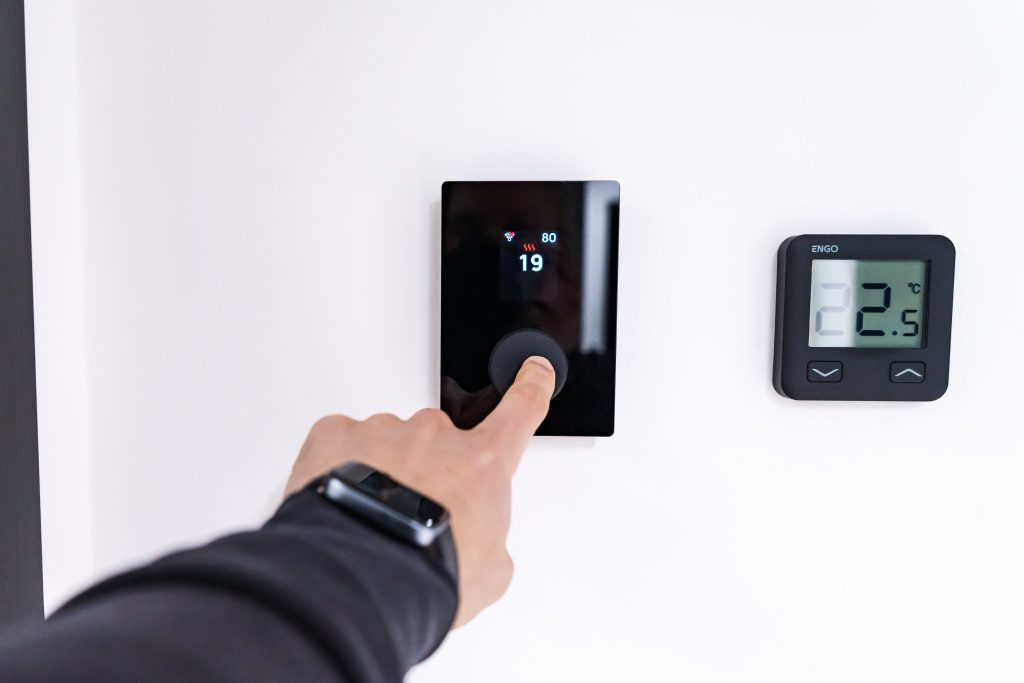
One of the easiest ways to reduce cooling costs is by adjusting your thermostat wisely. Many people set the temperature much lower than necessary, believing it will cool the home faster. In reality, the air conditioner cools at the same rate regardless of the setting. Lower temperatures simply make the system run longer.
Choose a comfortable temperature instead of the coldest possible setting. Even raising the thermostat by one or two degrees can reduce energy use over time without making a significant difference in comfort.
Programmable and smart thermostats make this even easier. These devices automatically adjust temperatures while you’re asleep or away from home, preventing unnecessary cooling during hours when no one is there.
Developing consistent thermostat habits can produce noticeable savings throughout the summer.
Thermostat tips that reduce cooling costs:
- Keep temperatures consistent.
- Raise the setting when leaving home.
- Use programmable schedules.
- Avoid constantly changing the temperature.
- Choose comfort instead of extreme cooling.
Replace Air Filters Regularly
A dirty air filter forces your air conditioner to work harder because airflow becomes restricted. Reduced airflow makes the system less efficient and may even shorten its lifespan if ignored for too long.
Check your air filter every month during heavy cooling seasons. Depending on the type of filter, household size, and presence of pets, replacement may be necessary every one to three months.
A clean filter allows air to move freely through the system, helping rooms cool more efficiently while improving indoor air quality. It also reduces dust circulating throughout your home.
Replacing an inexpensive filter regularly is one of the simplest maintenance tasks homeowners can perform.
Benefits of clean air filters:
- Better airflow
- Lower energy consumption
- Improved indoor air quality
- Reduced system strain
- Longer equipment life
Keep Your Air Conditioner Well Maintained
Like any major appliance, an air conditioner performs best when it receives regular maintenance. Small issues such as dirty coils, clogged drain lines, or low refrigerant levels can reduce efficiency and increase operating costs.
Schedule professional maintenance before the hottest part of the summer whenever possible. A technician can inspect electrical components, clean important parts, check refrigerant levels, and identify developing problems before they become expensive repairs.
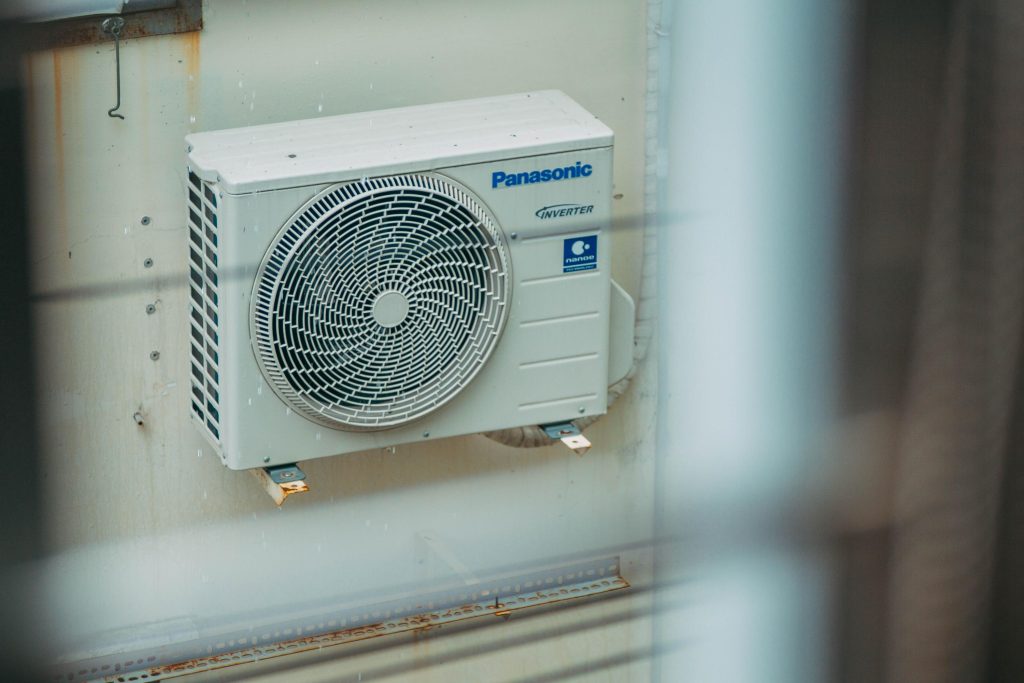
Homeowners can also perform simple maintenance tasks such as keeping outdoor condenser units free from leaves, grass, and debris. Maintaining several feet of open space around the unit improves airflow and helps it operate efficiently.
Routine maintenance not only lowers energy bills but also helps prevent unexpected breakdowns during heat waves.
Important maintenance tasks include:
- Clean outdoor condenser units.
- Inspect refrigerant levels.
- Clear debris around equipment.
- Check condensate drains.
- Schedule annual professional inspections.
Reduce Heat Entering Your Home
Your air conditioner works hardest when excess heat enters your home. Limiting heat gain helps reduce cooling demand and allows the system to operate more efficiently.
Close blinds, curtains, or shades during the hottest part of the day, especially on south-facing and west-facing windows. Blackout curtains and reflective window coverings can significantly reduce solar heat entering the home.
Weatherstripping around doors and windows also prevents warm outdoor air from leaking indoors. Sealing small gaps improves both summer cooling and winter heating efficiency.
Simple improvements that block unwanted heat often provide excellent returns through lower utility bills.
Ways to reduce indoor heat:
- Close blinds during sunny hours.
- Use blackout curtains.
- Seal air leaks.
- Install weatherstripping.
- Keep windows closed during peak heat.
Use Ceiling Fans to Improve Comfort
Ceiling fans do not actually lower room temperature, but they create airflow that makes people feel cooler. This allows many homeowners to increase the thermostat setting while maintaining comfort.
During summer, ceiling fans should rotate counterclockwise to push air downward. This creates a cooling breeze that helps sweat evaporate more quickly from your skin.
Remember to turn fans off when leaving the room. Unlike air conditioners, fans cool people rather than spaces, so running them in empty rooms wastes electricity.
Combining fans with air conditioning often reduces overall cooling costs.
Best practices for ceiling fans:
- Rotate counterclockwise in summer.
- Turn fans off when rooms are empty.
- Clean fan blades regularly.
- Use fans with higher thermostat settings.
- Improve airflow throughout occupied rooms.
Avoid Creating Extra Heat Indoors
Many everyday activities generate heat that forces your air conditioner to work harder. Cooking large meals in the oven, running the clothes dryer during the afternoon, and using incandescent light bulbs all increase indoor temperatures.
Whenever possible, cook outdoors, use a microwave, slow cooker, or air fryer, or prepare meals during cooler morning or evening hours. Running dishwashers and washing machines later in the day also reduces heat buildup.
Switching to LED lighting provides another benefit because LED bulbs produce far less heat than traditional incandescent bulbs while using less electricity.
Small adjustments to daily routines can significantly reduce cooling demand.
Ways to reduce indoor heat sources:
- Cook during cooler hours.
- Use small countertop appliances.
- Switch to LED bulbs.
- Run appliances at night.
- Limit oven use on hot days.
Improve Your Home’s Insulation
Many people associate insulation with winter, but it also plays an important role during summer. Proper insulation helps keep cool air inside while preventing outdoor heat from entering the home.
Attics are especially important because they absorb significant heat from direct sunlight. Well-insulated attics reduce heat transfer into living spaces, allowing air conditioners to run less frequently.
Sealing gaps around windows, doors, plumbing penetrations, and attic access points also improves efficiency by reducing unwanted air movement.
Interestingly, many of the same improvements used for getting your home ready for freezing weather also improve summer energy efficiency by reducing air leaks and strengthening insulation throughout the home.
Areas to inspect for insulation improvements:
- Attics
- Exterior walls
- Windows
- Doors
- Crawl spaces
- Utility penetrations
Upgrade to More Efficient Equipment When Necessary
Older air conditioning systems often consume significantly more energy than newer models. If your unit is approaching the end of its lifespan or requires frequent repairs, replacing it with a high-efficiency system may lower long-term operating costs.
Modern air conditioners use improved technology to deliver better performance while consuming less electricity. Although replacement requires an upfront investment, energy savings may offset a portion of the cost over time.
When choosing a new unit, ensure it is properly sized for your home. An oversized system cycles on and off too frequently, while an undersized unit struggles to maintain comfortable temperatures.
Consulting a qualified HVAC professional helps ensure you select equipment that matches your home’s needs.
Signs it may be time to upgrade:
- Frequent repairs
- High utility bills
- Uneven cooling
- Equipment older than 15 years
- Excessive operating noise
Build Daily Habits That Save Energy
Reducing cooling costs is often more about consistent habits than major home improvements. Small actions repeated every day create meaningful savings over an entire summer.
Close doors to unused rooms so conditioned air remains where it is needed. Keep furniture away from air vents to maintain proper airflow. Avoid leaving exterior doors open longer than necessary, especially during the hottest part of the day.
Cleaning regularly also helps. Dust buildup around vents, fans, and filters reduces airflow and decreases efficiency.
The more consistent your habits become, the easier it is to maintain both comfort and lower energy costs.
Simple daily energy-saving habits:
- Keep vents unobstructed.
- Close unused rooms.
- Minimize open exterior doors.
- Dust vents regularly.
- Monitor thermostat settings.
Combine Multiple Strategies for the Best Results
No single tip will dramatically reduce your cooling costs on its own. However, combining several small improvements often produces significant savings.
For example, replacing air filters, using ceiling fans, improving insulation, reducing indoor heat, and adjusting thermostat settings all work together to reduce the workload placed on your air conditioner.
Think of your home’s cooling system as one part of a larger energy-efficient strategy. Every improvement contributes to better overall performance while increasing comfort.
A well-maintained home not only saves money but also provides a more pleasant living environment throughout the hottest months of the year.
Energy-saving improvements work best when combined:
- Maintain HVAC equipment.
- Improve insulation.
- Reduce indoor heat.
- Use ceiling fans.
- Develop consistent daily habits.
Final Thoughts
Saving money on air conditioning during the hottest months does not require sacrificing comfort. By making thoughtful adjustments to thermostat settings, maintaining your cooling system, improving insulation, reducing indoor heat, and developing simple daily habits, you can lower energy bills while keeping your home cool.
Many of these improvements require very little investment but provide long-term benefits through lower utility costs and improved system performance. Routine maintenance also helps extend the lifespan of your air conditioner, reducing the likelihood of unexpected repairs during peak summer temperatures.
With a combination of smart habits and regular home maintenance, you can enjoy a comfortable home all summer while keeping cooling expenses under control. Small changes made consistently often deliver the greatest results, allowing you to stay cool without putting unnecessary strain on your budget.